
](https://www.sglpackaging.com/wp-content/uploads/2026/09/What-Are-the-Best-Zip-Bags-for-Food-Storage.webp "What Are the Best Zip Bags for Food Storage? 1")
I often see people choose food storage bags by size or price alone. A weak zipper or the wrong film can lead to leaks, freezer burn, odors, and wasted food.
The best zip bags for food storage are food-contact-safe bags with a strong airtight zipper, suitable film thickness, and enough durability for their intended use. I prefer heavy-duty PE freezer bags for freezing, reusable silicone bags for repeated household use, and high-barrier zipper pouches for longer-term dry food storage.
The right zip bag depends on what I am storing and where I am storing it. Fresh produce, sandwiches, frozen meat, coffee, nuts, powders, and pet treats do not have the same packaging requirements. I therefore compare the material, zipper design, temperature resistance, barrier performance, size, and intended reuse before choosing a bag.
What Types of Zip Bags Are Best for Food Storage?
I do not think there is one zip bag that is best for every food. Different bag structures work better for refrigerators, freezers, pantries, lunches, and commercial food packaging.
I usually divide food storage zip bags into disposable polyethylene storage bags, heavy-duty freezer bags, reusable silicone bags, reusable plastic bags, and laminated zipper pouches. Standard PE bags work well for short-term storage, while freezer-grade and high-barrier structures provide better protection when food needs longer storage or stronger resistance to air and moisture.
Standard PE Zip Bags
Polyethylene, or PE, is one of the most common materials I see in food storage bags.
These bags are lightweight, flexible, and easy to seal. I find them useful for short-term refrigerator or pantry storage of foods such as:
- Sandwiches
- Cut vegetables
- Fruit
- Cheese
- Snacks
- Baked goods
- Small portions of dry ingredients
The FDA regulates materials that come into contact with food, and food-contact packaging must be authorized for its intended use in the United States. I therefore look for bags that are clearly sold and specified for food contact rather than using general-purpose plastic bags for direct food storage.
Heavy-Duty Freezer Zip Bags
When I store food in a freezer, I prefer a thicker freezer-grade bag instead of a thin sandwich bag.
The USDA specifically recommends food-grade, heavy freezer-weight plastic bags for freezing because freezer packaging needs to keep air out and protect the product against freezer burn.
This makes freezer zip bags a strong choice for:
- Raw meat
- Poultry
- Fish
- Frozen fruit
- Vegetables
- Prepared meals
- Bread
- Portion-controlled ingredients
I remove as much excess air as practical before closing the zipper because air exposure contributes to freezer burn and quality loss. Freezer burn does not normally make food unsafe, but it can make food dry and reduce flavor and texture.
Reusable Silicone Zip Bags
I consider reusable silicone bags when repeated use is more important than low initial cost.
Well-designed silicone food storage bags can be durable, flexible, and suitable for refrigeration and freezing. Some models are also designed for dishwasher, microwave, boiling-water, or oven use, although I always follow the temperature limits given by the manufacturer.
Independent testing from Serious Eats found silicone reusable bags generally more resilient and easier to clean than many PEVA alternatives, while stand-up designs were particularly easy to fill.
Recent Consumer Reports testing has also evaluated silicone bags specifically for leakage, staining, odors, usability, and cleaning, which shows that seal design and practical durability can differ substantially even when two products use the same general material.
High-Barrier Zipper Pouches
For longer-term dry food storage or commercial retail packaging, I often move beyond a simple household zip bag.
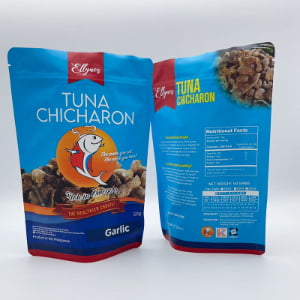
A laminated zipper pouch can use several film layers to provide better protection against moisture, oxygen, aroma loss, light, or puncture.
I commonly consider this type of packaging for:
- Coffee
- Tea
- Nuts
- Granola
- Dried fruit
- Powdered foods
- Supplements
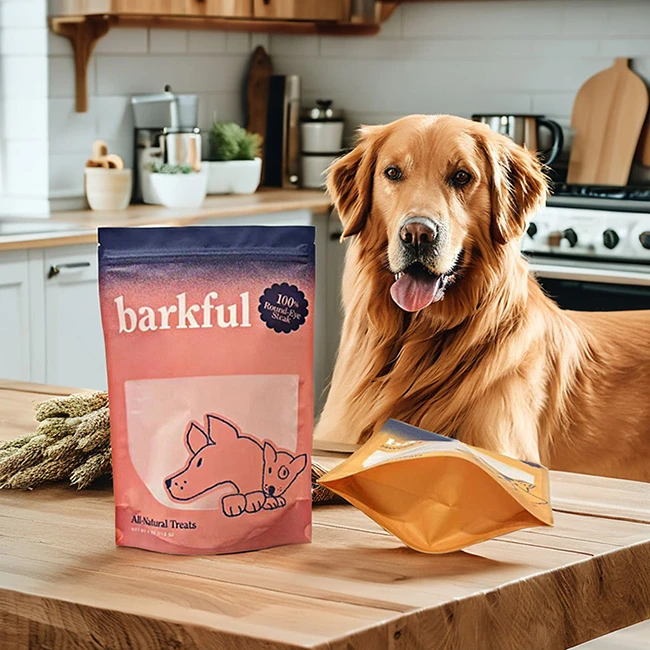
- Pet treats
- Specialty snacks
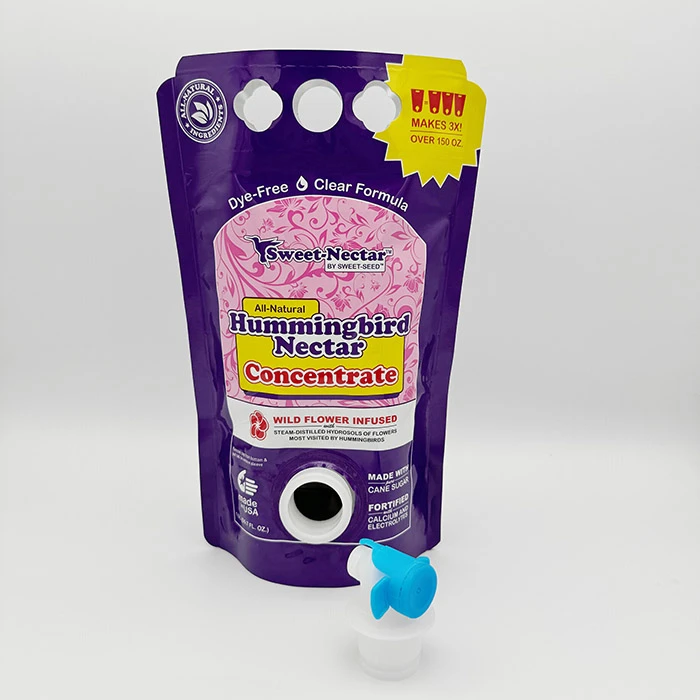
These pouches can also use stand-up, flat-bottom, or flat pouch structures.
| Zip Bag Type | Best Use | Main Strength |
|---|---|---|
| Standard PE zip bag | Refrigerator and short-term storage | Lightweight and economical |
| Freezer zip bag | Frozen meat, meals, fruit, vegetables | Thicker film and better freezer protection |
| Silicone reusable bag | Frequent household reuse | Durability and repeated cleaning |
| Reusable plastic bag | Lunches and daily snacks | Lightweight reusable option |
| Laminated zipper pouch | Dry foods and retail packaging | Custom barrier and longer-term protection |
For me, the important question is not simply whether the bag has a zipper. I want to know whether the entire material and closure system is suitable for the food and storage conditions.
Are Freezer Zip Bags Better Than Regular Zip Bags?
I usually choose a dedicated freezer bag when I expect food to remain frozen for more than a short period because cold storage places different demands on the packaging.
Freezer zip bags are generally better than regular storage bags for frozen food because they are usually made with heavier material and are designed to reduce air exposure and withstand low-temperature storage. Regular zip bags are more suitable for sandwiches, snacks, refrigerated foods, and short-term storage where heavy freezer protection is unnecessary.
I Pay Attention to Air, Not Only Temperature
A freezer does not damage food simply because it is cold.
One major problem is air exposure.
When moisture leaves the surface of frozen food and the food remains exposed to dry freezer air, freezer burn can develop. USDA guidance explains that airtight wrapping and heavier freezer packaging help protect frozen products from this quality loss.
This is why the zipper matters.
A freezer bag should close completely across the entire opening. If the zipper track is damaged, contaminated with food, or not pressed shut properly, air can enter.
I also try to remove unnecessary headspace before sealing.
For meat or prepared meals, I often flatten the filled bag before freezing when the product allows it. A flatter package can freeze more evenly and use freezer space efficiently.
Film Thickness Also Matters
A thin sandwich bag may work perfectly well in a lunchbox, but it can be less suitable for long-term freezer storage.
Freezer bags usually use heavier plastic, which can provide:
- Better puncture resistance
- Stronger handling performance
- More protection against tears
- Reduced air movement through weak areas
- Better resistance when frozen food develops hard edges
I particularly care about puncture resistance when storing products with bones, hard corners, or frozen pieces.
I Match the Bag to Storage Time
I generally think about food storage this way:
| Storage Situation | My Preferred Bag |
|---|---|
| Lunch for the same day | Standard zip bag |
| Cut vegetables in refrigerator | Standard food-safe zip bag |
| Cheese or snacks | Standard or reusable zip bag |
| Frozen fruit | Freezer-grade zip bag |
| Raw meat for freezing | Heavy-duty freezer zip bag |
| Batch-cooked meals | Freezer bag or reusable freezer-safe silicone bag |
| Long-term dry food | High-barrier zipper pouch |
| Frequent household reuse | Silicone or durable reusable food bag |
I do not use a heavier package when the food does not need it.
At the same time, I do not save a small amount on the bag if inadequate freezer packaging increases the chance of losing much more valuable food.
Are Reusable Silicone Zip Bags Better for Food Storage?
Reusable silicone bags can be an excellent option, but I choose them because of repeated use rather than assuming they are automatically better for every storage task.
Reusable silicone zip bags are a strong choice when I need a washable, durable bag for repeated refrigeration or freezing. They can work well for leftovers, fruit, vegetables, snacks, meal preparation, and freezer portions. However, they usually cost more initially, can be bulkier than disposable PE bags, and need proper cleaning and drying.
Durability Is Their Main Advantage
I see repeated use as the clearest advantage.
A disposable food storage bag is designed around convenience and low unit cost. A silicone bag uses more material and usually costs more, but it can be washed and used repeatedly.
Testing by Serious Eats found strong silicone models durable and resistant to leaks when correctly sealed. The review also noted that silicone tends to be bulkier and that some seals require more effort to close completely.
Good Housekeeping's 2026 food storage testing also highlighted reusable silicone bags as flexible, freezer-safe storage options, while noting that soft-sided bags do not protect delicate foods as well as rigid containers.
That last point matters to me.
A strong bag can protect against leaks without protecting a delicate sandwich, berries, or fragile snack from being crushed.
I Look Closely at the Closure
Not every reusable bag closes in the same way.
Some use an integrated silicone pinch-lock seal. Others use sliding closures. Some reusable plastic bags use double zipper tracks.
I check whether the bag:
- Closes easily across its full width
- Remains sealed when moved
- Holds liquids without leaking
- Opens without excessive force
- Can be cleaned around the zipper
- Dries completely after washing
The zipper area is often more important than the thickness of the bag body.
I Consider Cleaning Part of Food Storage Performance
A reusable bag only works well if I can clean it properly.
Oils, sauces, crumbs, and food particles can collect in corners or zipper tracks. I therefore prefer wide openings and smooth internal corners.
A stand-up bag can also be easier to fill and dry because the base holds the package open.
For raw meat, oily foods, or strongly scented foods, I am more careful about cleaning and possible odor retention. I follow the manufacturer's washing instructions rather than assuming every reusable bag can tolerate the dishwasher or hot water.
Reusable Does Not Mean Suitable for Every Temperature
I also avoid treating “silicone” as permission to use any bag anywhere.
Some silicone bags are specifically rated for ovens, microwaves, sous vide cooking, or boiling. Others may have different limitations.
The best approach is to follow the specific product's temperature and use instructions.
For ordinary refrigerator and freezer storage, I care more about seal reliability, cleaning, durability, and practical size than extreme-temperature performance.
What Should I Look for When Choosing Food Storage Zip Bags?
I use a simple checklist because marketing terms such as “premium,” “heavy duty,” or “leakproof” do not tell me enough about how the bag will perform.
I look for food-contact suitability, a secure zipper, suitable thickness, freezer resistance when needed, puncture strength, an appropriate size, and a design that is easy to fill and close. For reusable bags, I also check cleaning instructions, temperature limits, drying, odor resistance, and expected durability.
Food-Contact Suitability Comes First
I only use a bag for direct food storage when it is made for food-contact applications.
The FDA defines food-contact substances as materials that contact food without being intended to have a technical effect in the food. Packaging materials and their components fall within this regulatory framework.
For commercial food packaging, I also care about documentation.
The manufacturer should be able to identify the material structure and provide appropriate food-contact compliance information for the intended market.
I Check the Zipper Several Times
A strong zipper should be easy to align.
If I need to press the same section many times, I see that as a practical weakness.
For dry foods, minor leakage may create a freshness problem.
For liquids, it can create an immediate mess.
I therefore do not assume every zipper bag is fully leakproof. If I plan to store soup, sauce, marinade, or another liquid horizontally, I prefer a product specifically designed and tested for that type of use.
Size Should Match the Food
An oversized bag creates unnecessary headspace.
An undersized bag makes sealing difficult and can place stress on the zipper.
I prefer enough space for the product while leaving a clean closing area.
For commercial packaging, this becomes even more important because fill weight and volume are not the same.
For example, 250 grams of nuts do not occupy the same volume as 250 grams of dense powder.
My Zip Bag Selection Checklist
| Feature | Why I Check It |
|---|---|
| Food-contact suitability | The bag directly touches food |
| Zipper strength | Helps keep the package closed |
| Film thickness | Affects durability and puncture resistance |
| Freezer rating | Important for frozen storage |
| Bag size | Controls headspace and filling convenience |
| Wide opening | Makes filling and cleaning easier |
| Stand-up base | Useful for liquids and bulk foods |
| Transparency | Helps identify stored food |
| Barrier film | Important for longer-term dry food storage |
| Reusability | Can reduce repeated use of disposable bags |
| Cleaning method | Important for reusable food bags |
| Temperature rating | Needed before heating or cooking |
I also think about how I will use the bag after filling.
A lunch bag, freezer bag, retail coffee pouch, and reusable silicone pouch may all use zipper closures, but their performance requirements are completely different.
My Insights: What Are the Best Zip Bags for Food Storage
I think the best zip bag is the one that matches the food and storage environment rather than the bag with the thickest film or most expensive material.
The best zip bags for food storage combine food-contact-safe materials, a reliable closure, suitable strength, and the right barrier for the application. I choose standard PE bags for short-term storage, freezer-grade bags for frozen foods, reusable silicone bags for repeated use, and high-barrier zipper pouches when dry foods need stronger long-term protection.
I Think the Zipper and the Film Need to Be Treated as One System
A very strong film does not help much if the zipper opens easily.
A perfect zipper cannot protect food if the film punctures.
I therefore evaluate the bag as one complete system.
For frozen meat, I want thicker film and a reliable seal.
For sandwiches, I want easy opening and closing.
For soup, I want leak resistance.
For coffee, I may need much stronger oxygen and moisture barrier than a normal household storage bag can provide.
The word zip bag only describes the closure. It does not tell me enough about the package's protective performance.
I Would Not Use Household Storage Bags for Every Food Application
This becomes especially important when I move from home storage to commercial food packaging.
A household zip bag works well for short-term storage after a package has already been opened.
Commercial food products may need months of shelf life before a consumer buys them.
Coffee, nuts, dried foods, supplements, spices, and pet treats may need a laminated barrier pouch with a zipper rather than a simple transparent polyethylene bag.
That package can still be resealable, but it has a different job.
I therefore separate storage convenience from shelf-life protection.
I Prefer Freezer Bags When the Food Is Valuable
I think people sometimes underestimate the cost of food waste compared with the cost of the storage bag.
If I am freezing expensive meat, seafood, meal-prepped food, or several portions of a cooked meal, I usually choose proper freezer packaging.
USDA guidance supports using thick, food-grade freezer materials and keeping air away from the food to reduce freezer burn.
A small saving on a thin bag does not make sense to me if food quality drops during storage.
I Use Reusable Bags Where Repetition Makes Sense
Reusable silicone bags make the most sense to me for foods I store again and again:
- Lunch ingredients
- Cut vegetables
- Snacks
- Frozen fruit
- Smoothie portions
- Leftovers
- Meal-prep ingredients
I may still use disposable freezer bags for situations where cleaning is difficult or convenience matters more.
I do not think the choice needs to be all reusable or all disposable.
My Practical Selection Framework
| If I Need... | My First Choice |
|---|---|
| Sandwiches and daily snacks | Standard food-safe zip bag |
| Short-term refrigerator storage | PE zip bag |
| Meat or fish in the freezer | Heavy-duty freezer zip bag |
| Frozen fruit and vegetables | Freezer zip bag |
| Repeated household use | Reusable silicone bag |
| Soups and sauces | Leak-resistant stand-up reusable bag or suitable container |
| Dry pantry foods | Strong reusable bag or zipper pouch |
| Coffee and aroma-sensitive foods | High-barrier zipper pouch |
| Commercial snack packaging | Printed barrier zipper pouch |
| Long shelf life | Product-specific high-barrier packaging |
For me, the main lesson is simple.
I do not choose a zip bag just because it closes.
I choose it based on what happens after it closes.
Will air enter during freezer storage?
Will the zipper remain secure?
Can the film resist punctures?
Can I clean the bag completely?
Does the material provide enough barrier for the required storage time?
Is the pouch suitable for direct contact with the food?
Once I answer these questions, selecting the right food storage zip bag becomes much easier.
Conclusion
I choose food-safe PE bags for everyday storage, heavy-duty freezer bags for freezing, reusable silicone bags for repeated use, and high-barrier zipper pouches when food needs stronger long-term protection.