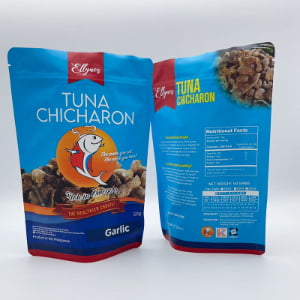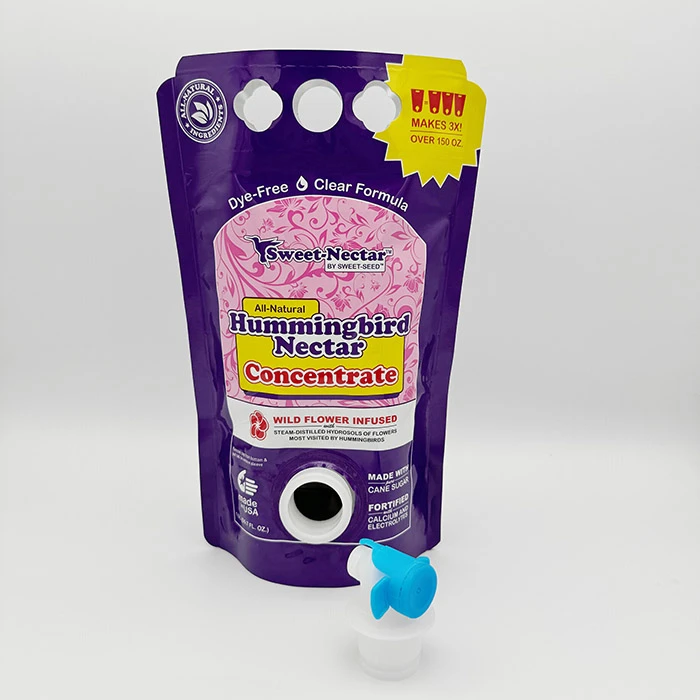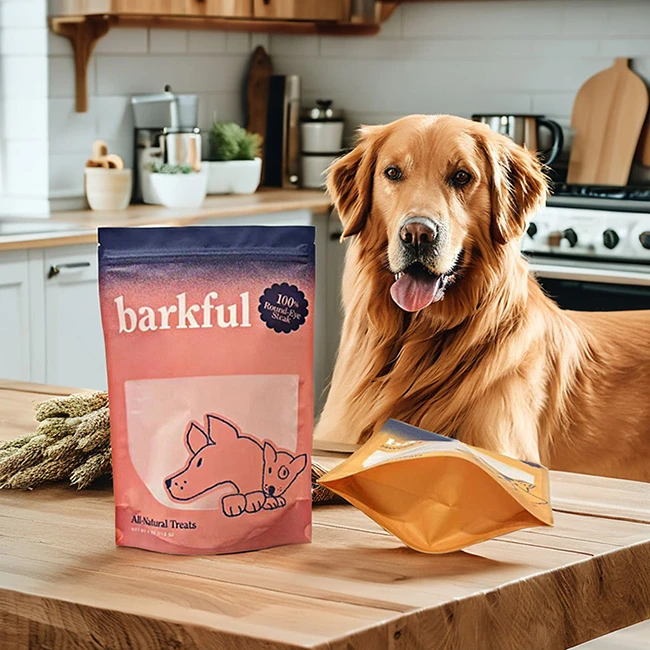

Aluminum foil packaging bags are ubiquitous in daily life, used everywhere from small convenience stores to major retail chains for packaging snacks, candies, prepared foods, and more. During the customization process of these bags, various issues frequently arise, such as blurred printing and delamination. Today, Sengreen Shenzhen Aluminum Foil Bag Manufacturer will analyze why delamination occurs in composite packaging bags and how to resolve it.
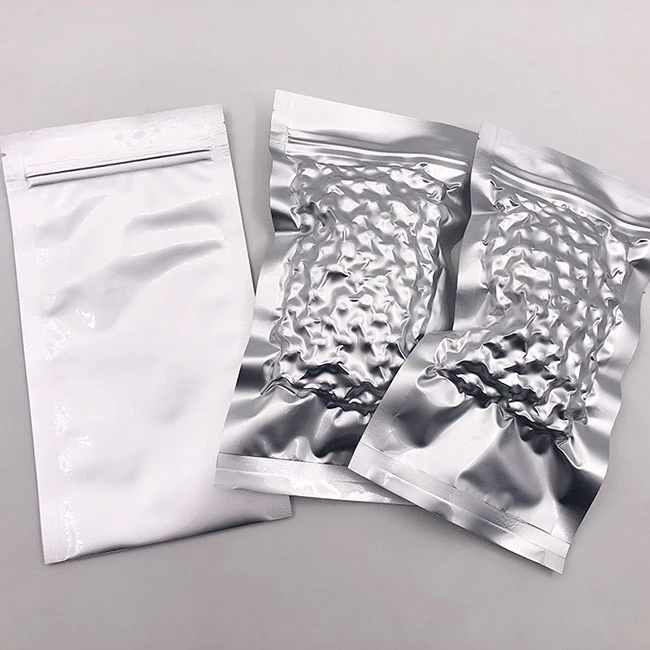
I. Delamination Caused by Material Issues
Aluminum foil bags are composed of multiple laminated layers. During material selection, different materials possess distinct properties. If the packaged items vary, improper material choices may lead to delamination. For instance, some products contain high oil content, some require high-temperature processing, while others need low-temperature refrigeration. Therefore, when purchasing composite packaging bags, it is essential to inform the manufacturer about the intended packaging application.
II. Delamination Caused by Inadequate Laminating Technician Skills
Aluminum foil packaging bags are typically laminated from two or more layers of materials. During the lamination process, these materials undergo specialized treatment. The use of adhesive during lamination can significantly impact the bag's susceptibility to delamination.
III. Delamination due to insufficient curing, low temperature, or short curing time
After lamination, composite packaging bags must be baked in a constant 50°C environment for 48 hours to fully cure the adhesive. Some manufacturers prematurely remove bags for slitting and bag-making to save time, causing delamination. This explains why packaging bag production requires 7-15 working days.
IV. Impact of Printing Inks
First, non-volatile active solvents, resins, or additives in the ink consume part of the curing agent, disrupting the ratio between the adhesive base and curing agent and causing heat seal delamination. Second, the poor heat resistance of the ink layer itself can cause damage during heat sealing, leading to delamination. Using heat-sensitive polyamide inks or applying aminated polypropylene inks in high-temperature heat sealing applications may both result in heat seal delamination.
In the actual production of composite packaging bags, delamination issues stem from multiple factors. Therefore, meticulous attention and careful handling are required throughout the entire production process.