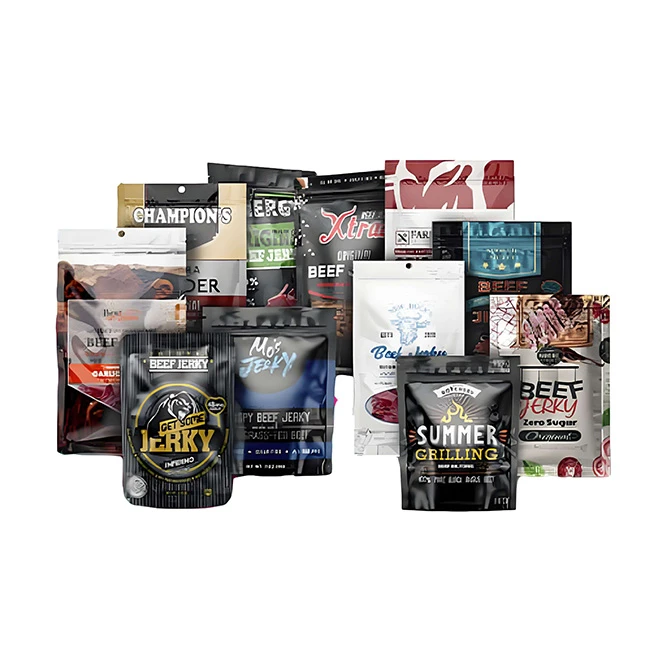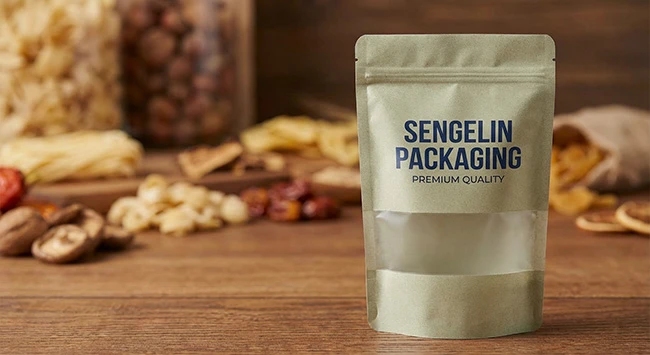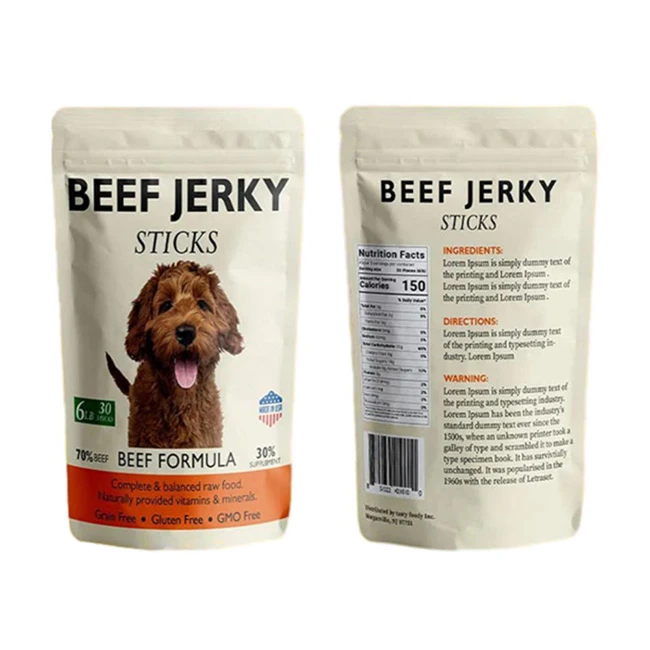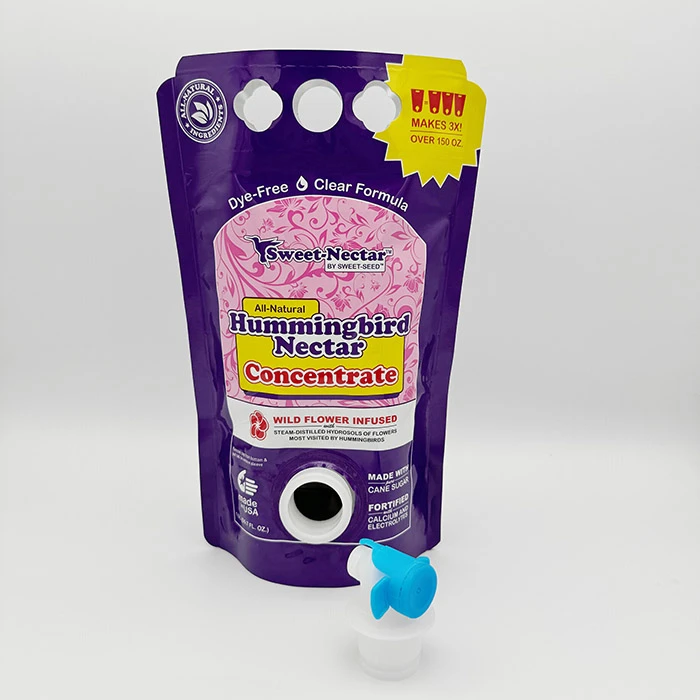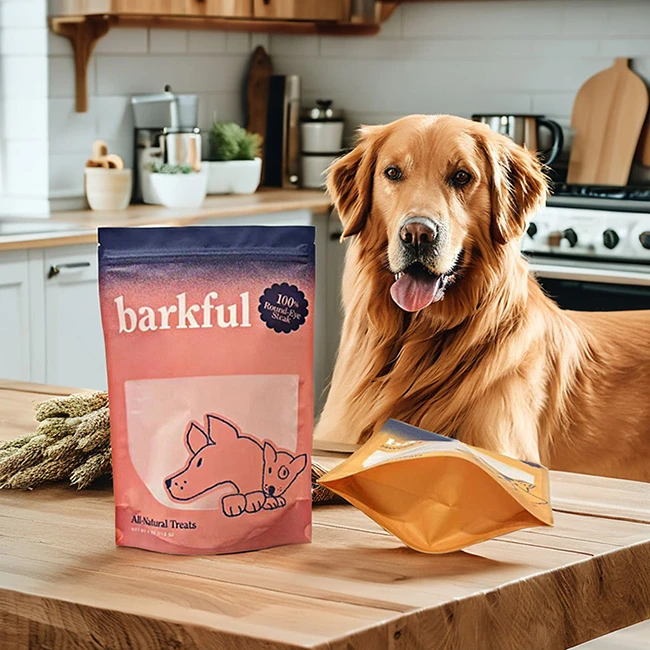
Behind every high-quality pet food packaging bag lies a sophisticated manufacturing process that combines engineering precision, food safety standards, and creative design.
Understanding how your packaging is produced helps you choose the right supplier, manage quality expectations, and optimize cost efficiency.
In this article, we’ll walk through the step-by-step process of pet food packaging bag manufacturing, explaining how experienced factories — especially those in China — deliver professional, custom-printed solutions for global brands.
1. Design Consultation & Material Planning
The production journey begins with a design and technical consultation between the client and the packaging manufacturer.
During this phase, the factory team helps you define:
Product type (dry, wet, or snack pet food);
Desired bag structure (stand-up, flat-bottom, zipper, etc.);
Barrier requirements (oxygen, moisture, UV light);
Printing specifications (colors, finish, artwork layout).
After confirming these details, material specialists recommend suitable laminations such as PET/PE, PET/AL/PE, or biodegradable films — balancing performance, aesthetics, and cost.
Pro Tip: Early collaboration with your pet food packaging bag supplier ensures accurate design files and prevents costly production adjustments later.
2. Cylinder Engraving or Digital Setup
Next comes the printing preparation stage.
Depending on order volume and printing type, the manufacturer either:
Engraves copper cylinders for gravure printing, or
Sets up digital printers for small-batch production.
Gravure printing delivers rich, long-lasting colors for large orders, while digital printing allows fast, cost-efficient sampling and low-MOQ customization.
3. Printing Process: Bringing Brands to Life
Once setup is complete, the factory begins printing on PET or BOPP film rolls.
Key features of high-quality printing include:
Up to 10-color precision for vivid graphics;
Color registration control within ±0.1 mm tolerance;
Solvent-free or water-based inks for food-safe applications.
Experienced pet food packaging bag factories continuously monitor ink density and alignment to maintain consistency across every roll.
4. Lamination: Building Barrier Performance
Printed films are then laminated with inner barrier layers (such as PE, AL, or biodegradable PLA).
This step creates a multi-layer structure that provides:
Oxygen and moisture protection;
High tensile strength;
Sealing integrity for freshness.
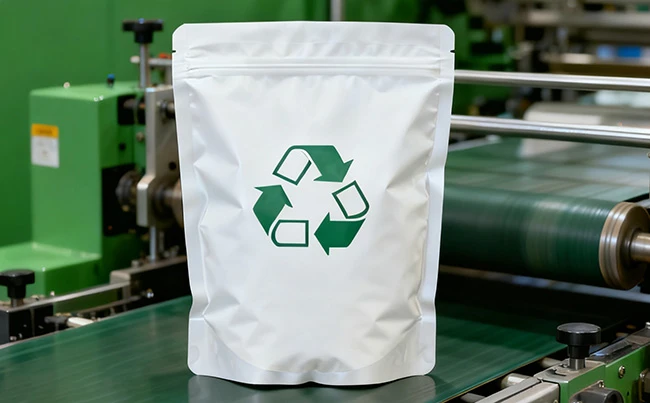
Factories with advanced lamination lines use solvent-free adhesives, reducing emissions and ensuring food-grade safety.
5. Curing & Slitting
After lamination, the film rolls are cured in temperature-controlled rooms to allow adhesive bonding.
They are then slit into smaller rolls based on the required bag width — ready for forming.
Precise slitting ensures smooth sealing during bag making and prevents air leakage or wrinkling.
6. Bag Forming & Accessory Application
This is where packaging takes its final shape.
Machines fold, cut, and seal films into various structures such as:
Stand-Up Pouches for snacks;
Flat-Bottom Bags for large volumes;
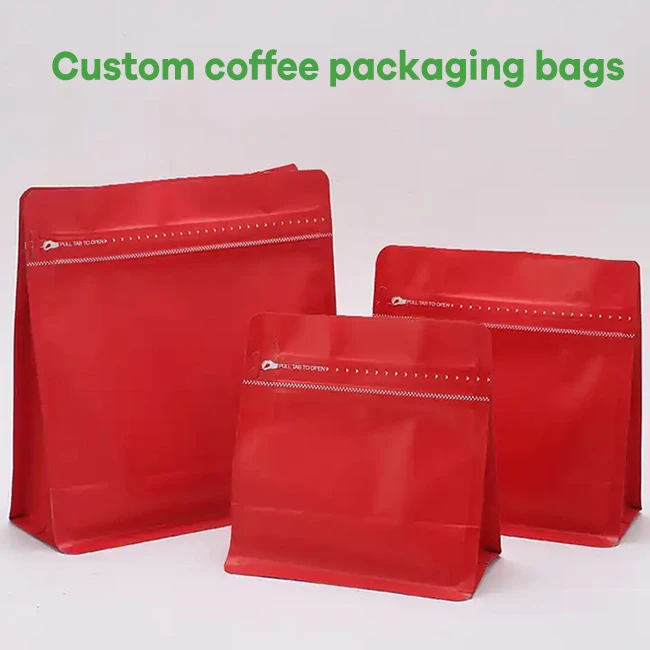
Zipper or Slider Bags for resealable options;
Pillow Bags for cost-efficient packing.
Additional features like tear notches, valves, or transparent windows are added according to the client’s design requirements.
7. Quality Control & Inspection
Strict quality control (QC) runs throughout the manufacturing process.
Key inspections include:
Material thickness and seal strength testing;
Drop and compression tests;
Print color accuracy and registration checks;
Odor and contamination inspection for food safety.
Top factories follow ISO 9001, ISO 14001, and FDA food packaging standards, ensuring every pet food packaging bag meets international quality expectations.
8. Packing, Shipping & Delivery
Finished bags are packed in clean, dust-free environments before shipping.
Professional factories offer:
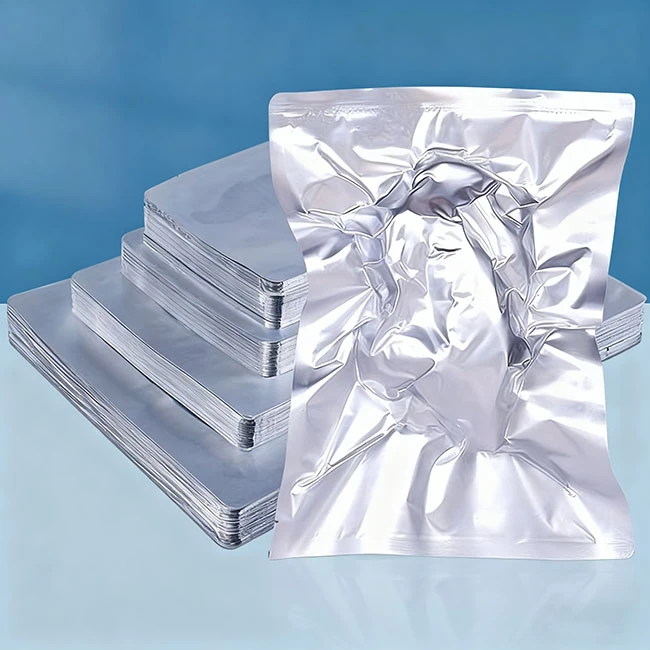
Vacuum packing or carton boxing for protection;
Export-grade labeling and palletizing;
Fast global logistics via sea, air, or express channels.
Clients receive inspection reports, samples, and digital proofs along with shipment for full transparency.
9. From Factory to Brand Success
Working with a skilled pet food packaging bag manufacturer means more than just production — it’s about partnership.
Reliable suppliers support you from idea to execution, helping you achieve:
Consistent quality across SKUs;
Flexible customization for different markets;
On-time delivery with competitive cost control.
Factories with 26 years of experience combine technical expertise with creative design, ensuring every packaging bag is both functional and market-ready.
Conclusion
The pet food packaging manufacturing process is a precise combination of design innovation, material science, and quality control.
Understanding each production stage helps brands collaborate effectively with suppliers and make informed sourcing decisions.
Whether you need small-batch digital printing or large-volume gravure production, choosing an experienced China pet food packaging bag factory guarantees reliable quality, timely delivery, and full customization.
With decades of expertise, we offer end-to-end solutions — from design and prototyping to mass production — helping pet food brands worldwide create packaging that protects products and elevates brand identity.