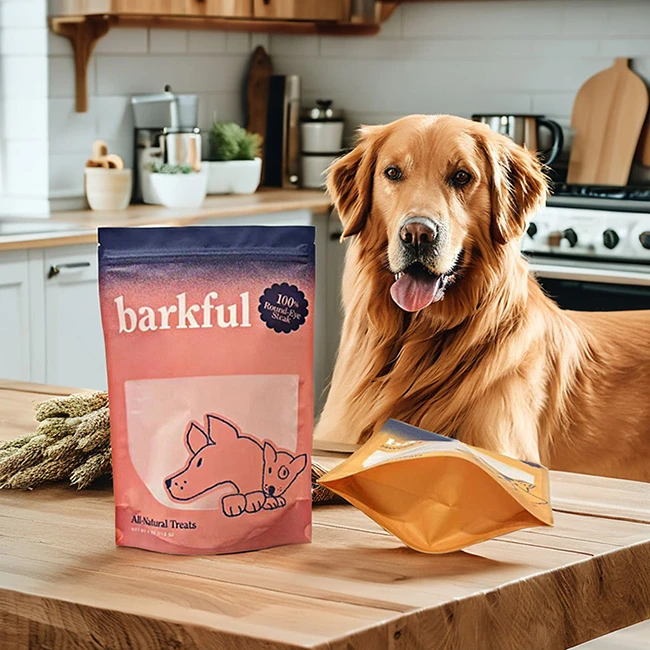
For any pet food brand, packaging is not only a vital part of product presentation but also a key component of overall costs.
When sourcing pet food packaging bags, understanding the cost breakdown is essential to ensure you’re getting the best value for your money. From the materials used to the type of printing, several factors influence the final price of your packaging.
This article explains the core components that contribute to the cost of pet food packaging bags, offering tips on how to optimize your spending while maintaining high quality.
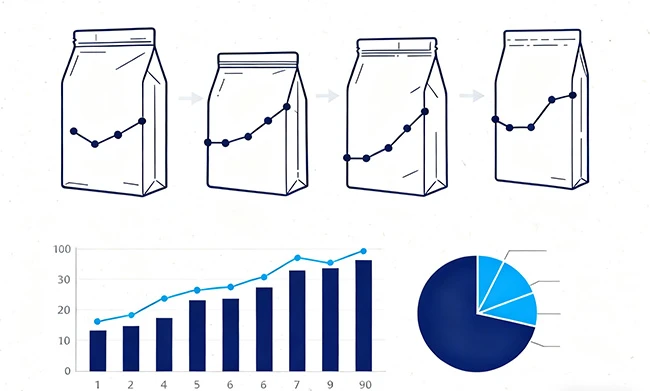
1. Material Selection: The Foundation of Your Packaging Cost
The type of material you choose for your pet food packaging plays a significant role in the overall cost.
Common materials for pet food bags include:
PET/PE (Polyester/Polyethylene): Common for durability and moisture resistance.
BOPP (Biaxially Oriented Polypropylene): A cost-effective choice for clear visibility and printability.
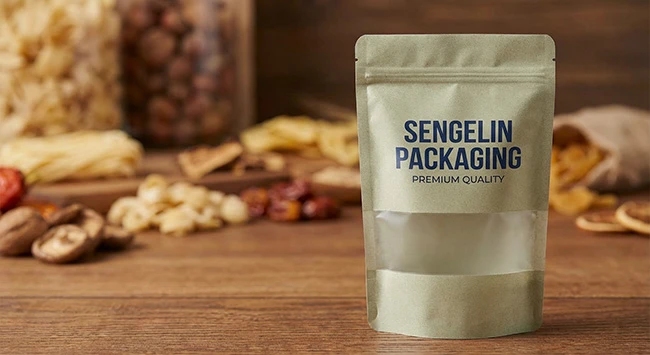
Kraft Paper: Often chosen for eco-friendly branding, but can be more expensive due to its higher material costs.
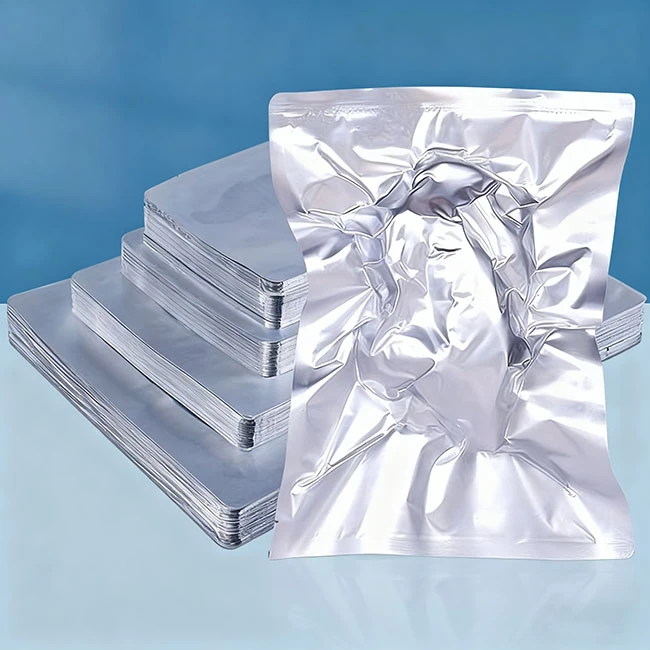
Aluminum Foil Lamination: Provides superior barrier properties but increases material cost.
Biodegradable Films: Emerging as an eco-friendly alternative, these materials are generally more costly.
2. Printing Type and Design Complexity
Printing is one of the most critical factors influencing pet food packaging prices. The type of printing and the number of colors involved play a direct role in cost.
Gravure Printing
High-Quality: Delivers vibrant, durable, and intricate designs with up to 10 colors.
Best For: Large orders where uniform quality is key.
Cost: Initial cylinder setup is costly, but the per-unit price drops significantly with larger runs.
Digital Printing
Quick Turnaround: Ideal for short runs or small quantities.
Best For: Customization, personalized designs, and small to medium batches.
Cost: No setup fees or cylinders, so it’s a more affordable option for low-volume orders.
Cost Consideration:
If you're looking for affordable custom packaging, digital printing is often cheaper for smaller orders. Gravure printing becomes more cost-effective when printing large volumes.
3. Bag Structure and Shape
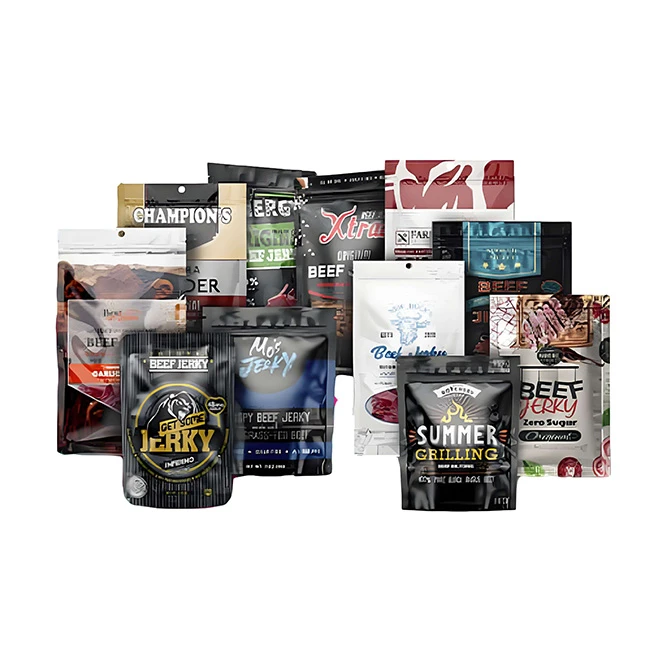
The complexity of your bag design — including its structure and shape — can also impact the price. Common types of pet food packaging bags include:
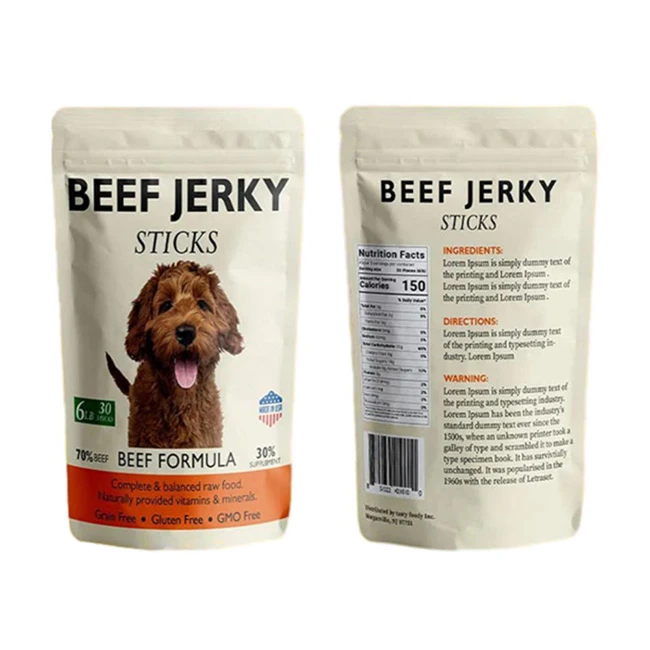
Stand-Up Pouches: A popular choice for pet food brands, offering high visibility on store shelves.
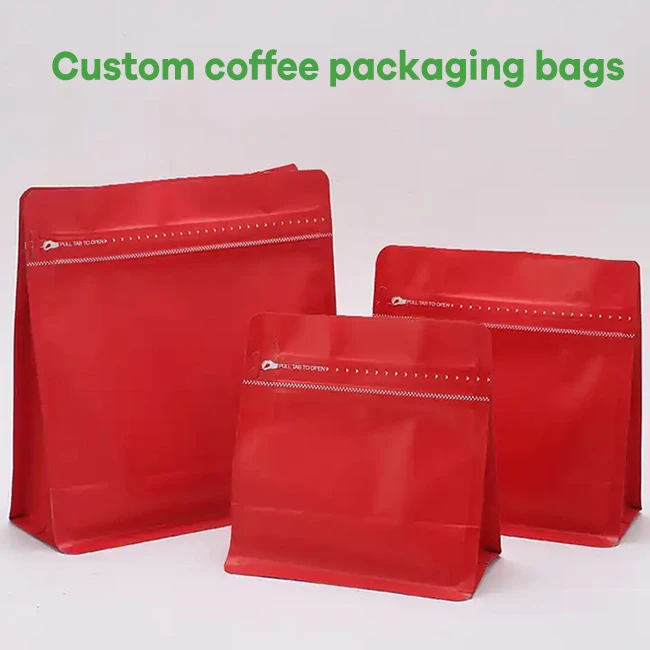
Flat-Bottom Bags: Ideal for large volumes of pet food, ensuring stability and ease of storage.
Pillow Bags: A more cost-effective option for small to medium-sized orders.
Resealable Bags: Adds a zipper or slider, which increases both functionality and production costs.
4. Order Quantity (MOQ) and Batch Size
The quantity you order is one of the biggest determinants of pet food packaging cost.
Larger orders typically reduce the per-unit price due to economies of scale, while small or custom orders usually cost more per unit.
MOQ (Minimum Order Quantity): Many pet food packaging manufacturers set a minimum order for production. Smaller quantities may increase unit costs due to the overhead involved in setup, production, and shipping.
Batch Size: Larger batches spread the setup costs over more units, lowering the unit price.
5. Finishing Touches: Special Features & Customizations
Additional custom features, such as special finishes or add-ons, can enhance the packaging's appearance but also increase costs. These might include:
Spot Gloss or Matte Finishes: Adds a premium touch but incurs additional processing costs.
Embossing or Debossing: Creates texture and a tactile experience.
Transparent Windows: Gives consumers a peek inside the packaging but requires precise cutting and sealing.
6. Shipping and Logistics
Don’t forget to consider shipping costs when calculating the price of your packaging.
Chinese factories typically offer competitive shipping rates, but factors like:
Volume of the order
Shipping method (air vs. sea)
Destination
can all affect the final cost.
7. Hidden Costs & How to Avoid Them
While price transparency is key, there can be hidden costs in packaging productiaon that you should watch out for:
Mold Fees: For custom-shaped bags, the cost of creating the mold can be substantial.
Artwork Setup Fees: Some manufacturers charge extra for preparing your artwork files for printing.
Quality Control Charges: While most factories offer basic QC, extra checks for special requirements may cost more.
Conclusion
When it comes to pet food packaging bags, there’s no one-size-fits-all price.
Understanding the factors that influence packaging costs — from materials and printing to order volume and finishing features — is essential for getting the best value for your budget.
For brands looking to balance quality and cost, collaborating with an experienced China pet food packaging bag manufacturer offers both flexibility and affordability. Whether you’re producing large runs with gravure printing or opting for digital printing on smaller orders, working with the right supplier ensures that your pet food packaging meets both your budget and brand standards.