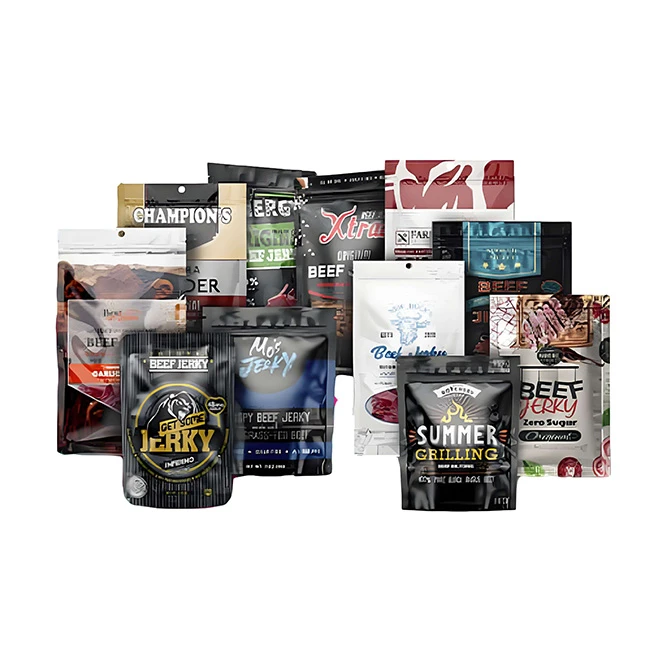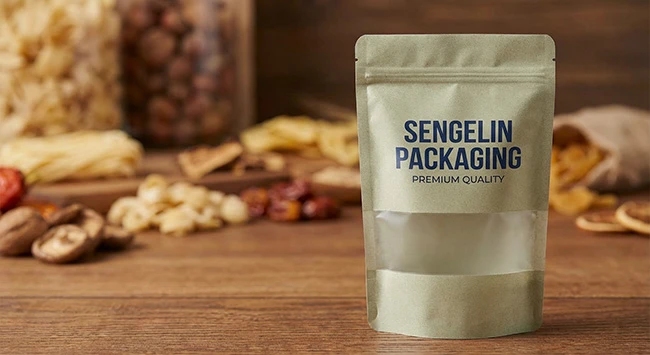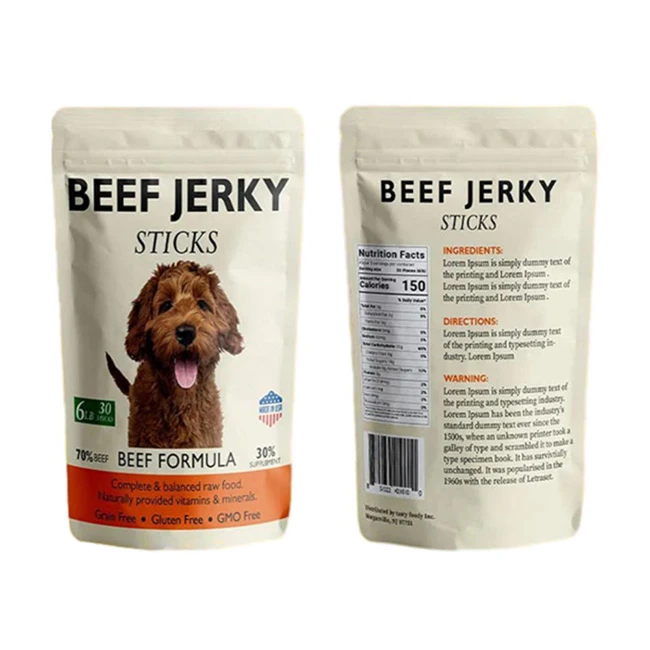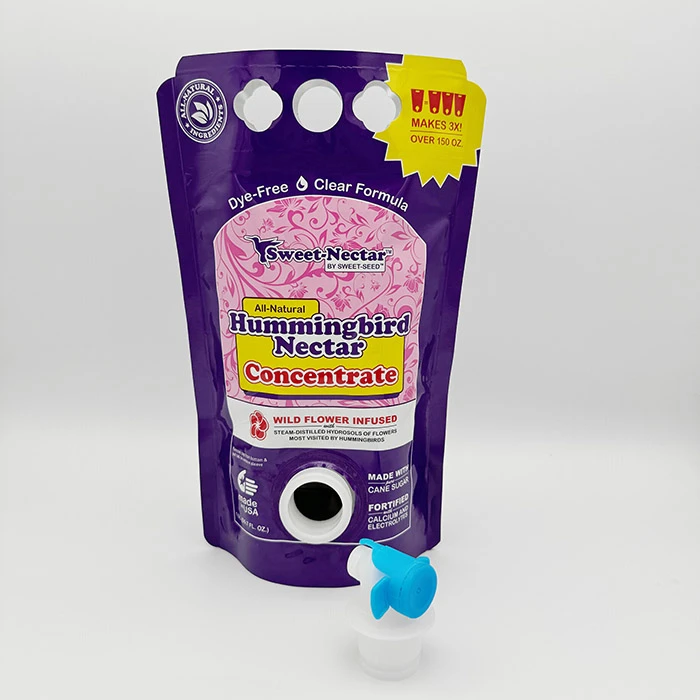
Sustainability is no longer a marketing slogan — it has become a defining standard for modern brands. As pet owners increasingly prioritize environmental responsibility, demand for eco-friendly pet food packaging bags has surged across the globe.
In today’s market, choosing sustainable packaging isn’t just about reducing plastic waste; it’s about building brand trust, complying with regulations, and staying competitive. This article explores key sustainable trends in pet food packaging, from material innovation to manufacturing improvements and consumer behavior shifts.
1. The Global Shift Toward Green Packaging
Over the past decade, global regulations and consumer awareness have accelerated the transition to environmentally responsible packaging. According to market research, the eco-friendly pet food packaging sector is growing at over 6% annually — driven by consumer demand for recyclable, compostable, and reusable solutions.
Brands that embrace sustainability early not only improve their environmental footprint but also gain a strong competitive advantage in customer loyalty and brand perception.
2. Biodegradable & Compostable Materials: The Core Innovation
One of the biggest advancements in sustainable packaging is the development of biodegradable films that naturally decompose without harming the environment.
PLA (Polylactic Acid)
Made from renewable corn starch or sugarcane.
100% compostable under industrial conditions.
Suitable for dry pet food or snack packaging.
PBS (Polybutylene Succinate)
A biodegradable polymer with better flexibility.
Ideal for heat-sealing and printing applications.
Kraft Paper + PLA Lamination
Combines a natural appearance with eco protection.
Popular among organic pet food brands.
Pro Tip: Compostable pet food packaging bags can break down within 180 days in a commercial composting environment, offering a clear sustainability story for eco-conscious consumers.
3. Recyclable Packaging Structures
Not all packaging needs to be biodegradable — recyclable mono-material bags are another major trend.
Traditional multi-layer bags combine materials like PET, AL, and PE, which are difficult to separate during recycling. The new approach uses single-material laminations such as:
Mono-PE (Polyethylene)
Mono-PP (Polypropylene)
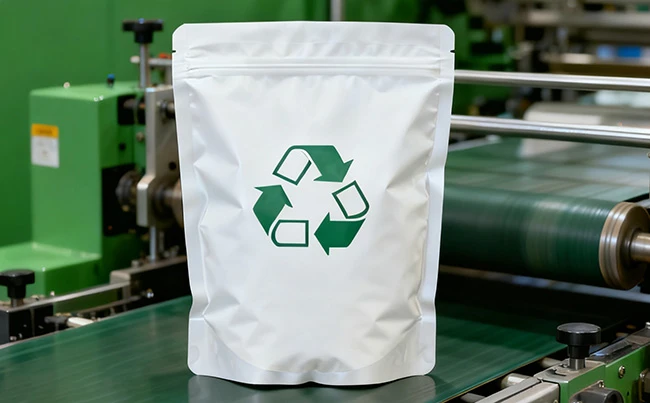
These structures maintain durability and barrier properties while being fully recyclable, aligning with circular economy standards.
Many global pet food packaging bag suppliers in China now invest heavily in recyclable film technology to meet the growing international demand.
4. Lightweighting: Reducing Waste and Carbon Emissions
“Lightweighting” refers to reducing material thickness without compromising performance.
It helps:
Lower raw material consumption;
Reduce shipping weight and transportation emissions;
Cut packaging costs by 5–15%.
When combined with efficient design — like stand-up pouches that require less plastic than rigid containers — this approach becomes both eco-friendly and cost-effective.
5. Water-Based and Solvent-Free Printing
Traditional gravure printing uses solvent-based inks that release VOCs (volatile organic compounds).
The latest trend is water-based or solvent-free printing, which provides:
Minimal environmental impact;
Safe contact for food packaging;
Cleaner production environments.
Leading pet food packaging bag manufacturers are upgrading to eco-ink systems and energy-efficient curing technologies, reinforcing their commitment to sustainable production.
6. Sustainable Manufacturing Practices
Sustainability isn’t only about materials — it extends to the entire production process.
Key sustainable practices include:
Energy-efficient extrusion and lamination systems;
Closed-loop recycling of production scrap;
Digital prototyping to reduce waste during sampling;
Eco-certifications such as ISO 14001 and FSC.
Factories with 20+ years of experience, especially China pet food packaging bag factories, are adopting green manufacturing models to serve international eco-brands more effectively.
7. Brand and Consumer Benefits
Switching to eco-friendly packaging delivers tangible business value:
Enhances brand image and customer loyalty;
Supports ESG and CSR commitments;
Reduces long-term packaging tax and regulatory risks;
Aligns with retail partners’ sustainability policies (e.g., EU packaging directives).
A 2024 consumer survey found that over 72% of pet owners prefer brands with sustainable packaging — proving that environmental responsibility now drives purchasing decisions.
8. Real-World Example: Transition to Sustainable Packaging
One of our long-term clients — a European pet food brand — transitioned from traditional aluminum foil bags to mono-PE recyclable pouches.
Results after six months:
18% cost reduction in logistics;
25% less plastic usage;
Improved brand perception and repeat purchase rate.
This demonstrates how sustainability can also be a profitability strategy, not just an ethical choice.
The future of pet food packaging bags is undeniably green.
From biodegradable films to recyclable mono-materials and solvent-free printing, the industry is rapidly moving toward a more sustainable model.
Choosing an experienced, eco-friendly pet food packaging bag supplier is essential for achieving both environmental and commercial goals.
With 26 years of expertise, we provide comprehensive solutions — including biodegradable, recyclable, and compostable packaging options — helping global brands transition smoothly into the era of sustainable packaging.