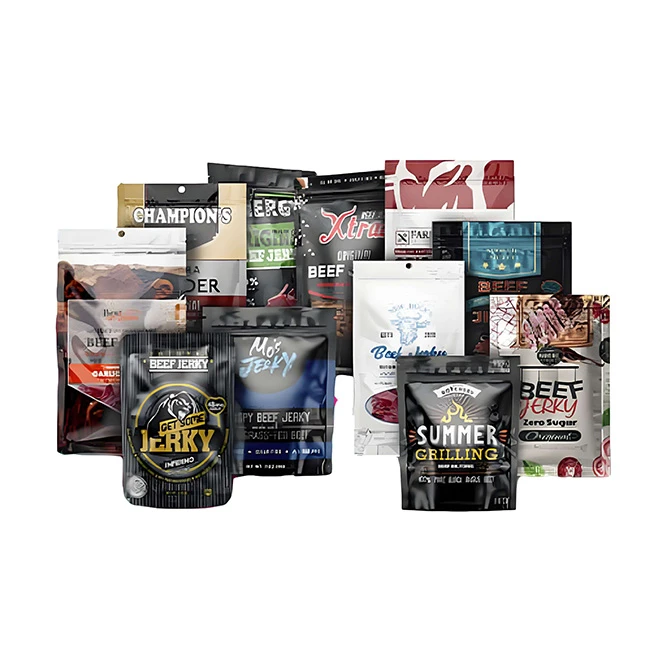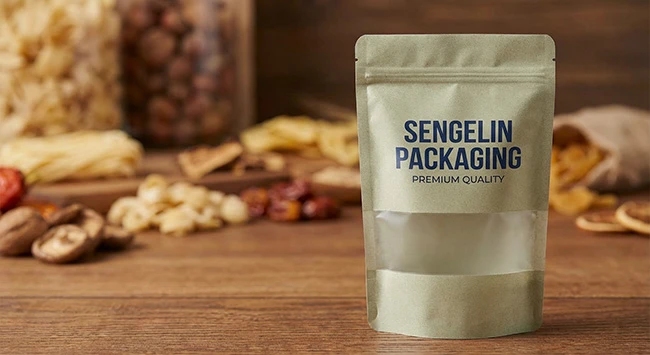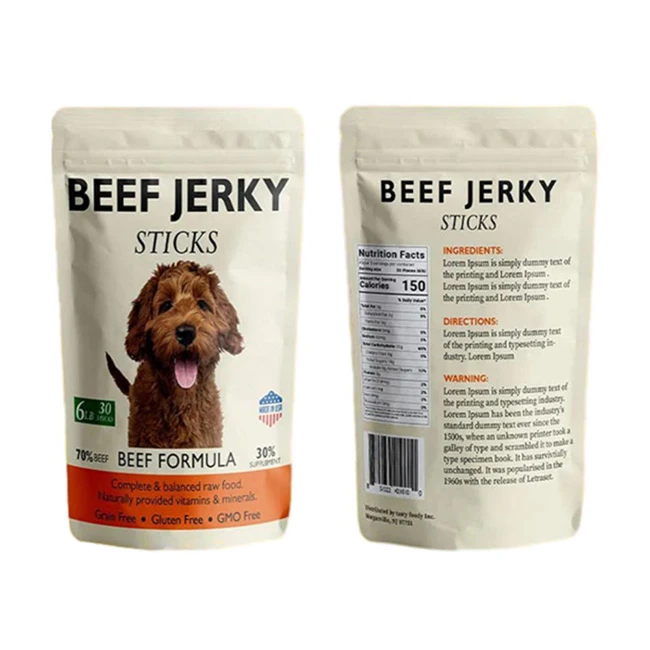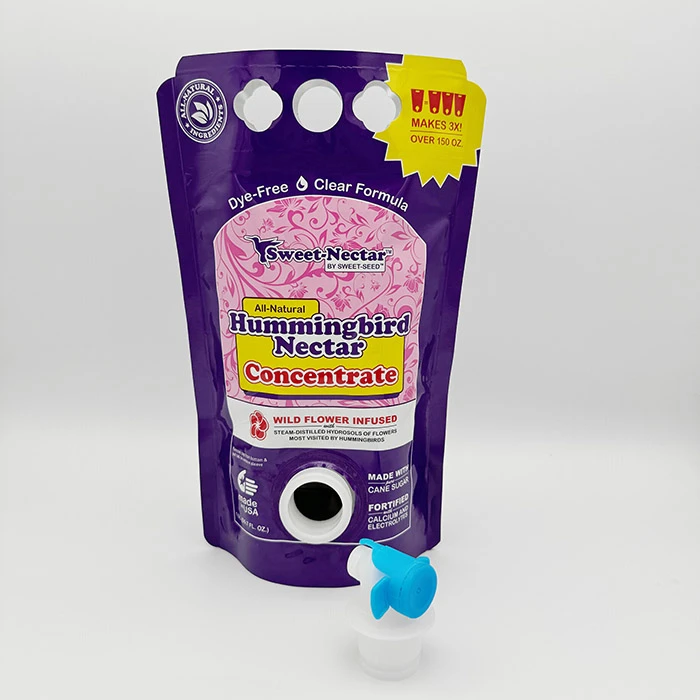
Choosing the right pet food packaging supplier is one of the most important decisions for any brand—whether you’re a growing startup, a mid-size manufacturer, or an international pet food company. Your packaging supplier doesn’t just print bags; they protect your product’s quality, support your brand identity, and ensure your inventory runs smoothly.
This guide explains what truly matters when evaluating a pet food packaging bag supplier, how to compare manufacturers, and why many global buyers choose experienced China packaging suppliers for long-term cooperation.
1. Start With What Your Brand Actually Needs
Before comparing suppliers, you must clarify your product requirements. A reliable pet food packaging supplier will always ask detailed questions, such as:
Bag type needed
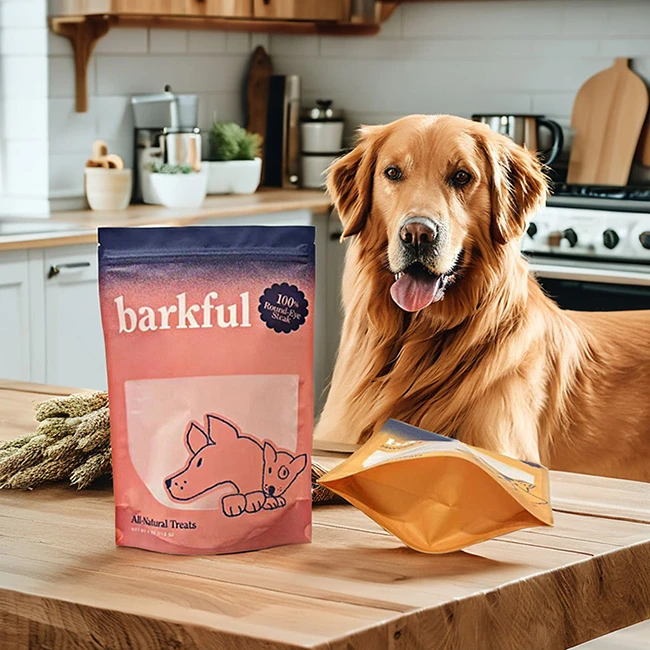
Stand-up pouch
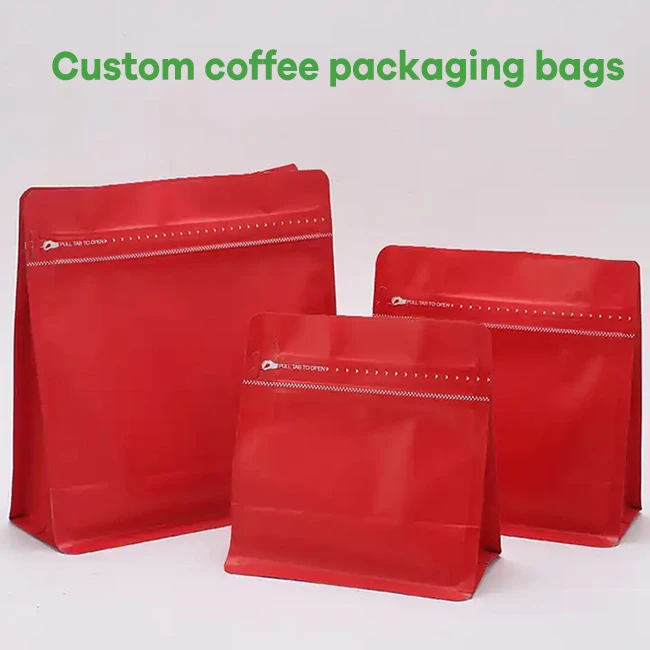
Flat bottom bag
Side gusset bag
Recyclable mono-material packaging
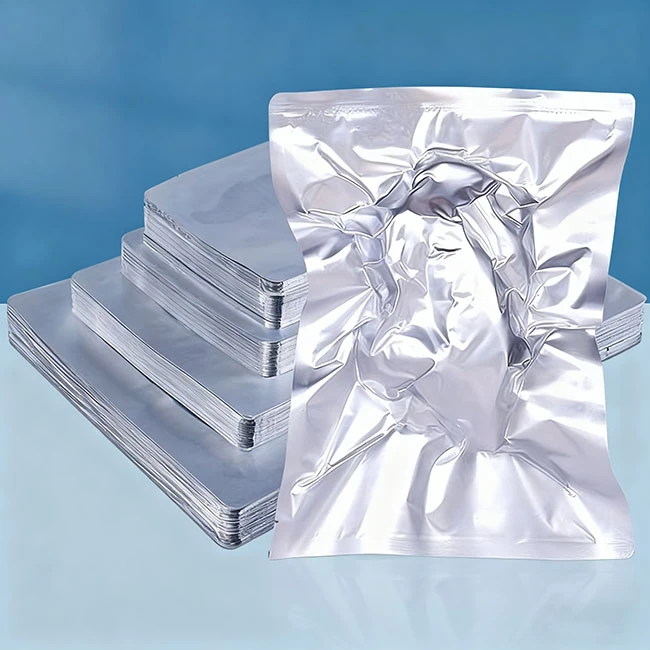
Aluminum foil high-barrier bags
Functional features
Zipper (regular / pocket zipper)
Tear notch
Handle
Degassing valve (for premium treats)
Window design
Material performance
Moisture resistance
Oxidation protection
High-barrier lamination
Puncture resistance
Food-grade film certification
Packaging volume
From 100g small pouches to 20kg bulk bags.
A good supplier helps you optimize structure, reduce cost, and ensure food-grade safety—not simply follow your initial design blindly.
2. Evaluate Manufacturing Experience (Years Matter)
In the pet food packaging industry, experience equals stability.
When choosing a pet food packaging bag manufacturer, check:
Years in production
Long-established factories (15+ years) usually have mature technology, stable printing quality, and strict quality systems.
Vertical manufacturing capability
A real factory—not a trading company—should have:
Film blowing / lamination lines
8–10+ color gravure printing machines
Digital printing capability for small batches
Bag-making machines for multiple bag types
3. Compare Printing Quality: Gravure vs. Digital Printing
Pet food packaging must be visually competitive on shelves.
Gravure printing (best for mass production)
Up to 10 colors or more
Rich and vivid colors
Excellent precision and consistency
Lowest cost for large orders
Digital printing (best for small batches)
No plate fees
Fast turnaround
Ideal for new brands, test orders, and multiple SKUs
A strong supplier should provide both options, helping brands scale smoothly.
4. Review Their Customization Capability
Every pet food brand is different.
A reliable packaging supplier must support:
Custom design service
Artwork adaptation
Layout optimization
Color management (Pantone matching)
Quick sampling (mockups & prototypes)
Digital proof
Physical samples delivered fast
Small-batch production for testing
Wide bag-type customization
From premium matte finishes to transparent windows, your packaging partner should help your product stand out—not blend in.
5. Inspect Quality Control Standards
Food packaging must meet strict safety and quality standards.
Ask the supplier about:
Incoming material inspection
Do they check film, inks, and adhesives?
Printing QC
Color consistency test
Visual defect detection
Registration accuracy
Lamination strength test
Ensures layers don’t separate during transportation.
Air-tightness test
Keeps pet food fresh and protected.
Final inspection
A good supplier provides QC reports and allows third-party inspection.
6. Understand Lead Times & Production Capacity
To avoid stockouts, check:
Production capacity per month
Large factories can handle fluctuations during peak season.
Normal lead time
Digital printing: 7–12 days
Gravure printing: 15–25 days
Emergency order capability
Reliable suppliers have flexible planning to support urgent demand.
7. Consider Price—but Never Choose the Lowest One
Price varies depending on:
Material structure
Bag type
Printing method
Order quantity
Special finishes
A very low price often means:
Weak materials
Poor ink quality
Unstable lamination
High defect rates
Risk of food contamination
Look for reasonable pricing with guaranteed food safety—not the cheapest option.
8. Evaluate Communication & After-Sales Service
Many buyers overlook this—but it determines long-term cooperation.
Does the supplier respond fast?
Professional suppliers provide clear, detailed answers—never vague or unclear messages.
Do they offer proactive suggestions?
Reliable suppliers help you avoid mistakes in design, materials, and order planning.
After-sales support
Replacement policies
Quality guarantee
Long-term cooperation mindset
Good communication = fewer errors, fewer delays, and fewer unexpected costs.
9. Why Work With a China Pet Food Packaging Supplier?
China is the global center for flexible packaging manufacturing.
Strong advantages include:
20–30 years of factory experience
Mature industrial chain + stable technology.
Full customization capability
Digital + gravure printing, multiple bag types, premium finishes.
Competitive pricing
Not “cheap,” but high value / performance.
Fast shipping & flexible MOQ
Perfect for both startups and large brands.
Ability to scale
Suppliers can handle 500 bags → 5 million bags without pressure.
For growing pet food brands, a China pet food packaging bag supplier offers the best cost-performance ratio globally.
Conclusion: The Right Packaging Supplier Is Your Strategic Partner
Choosing the right pet food packaging supplier means choosing:
Food safety
Brand reputation
Stable supply
Long-term growth capability
The ideal supplier is not only a manufacturer—they are a partner who understands your product, your market, and your brand strategy.